Medicine - Health
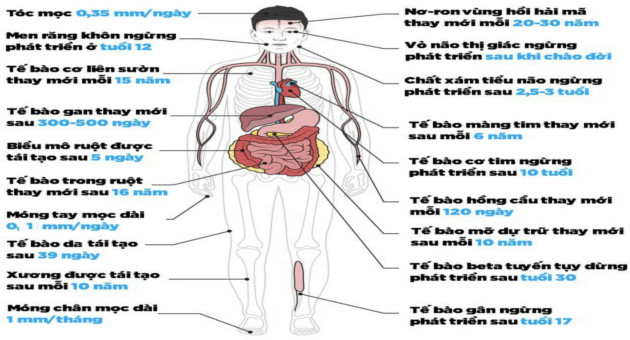
How much time does it take for your 19 agencies to replicate and develop?
The cells in the visual cortex stop developing as soon as you are born.
Browse ScienceInfo articles and explainers related to Human Body.
248 published items.
The cells in the visual cortex stop developing as soon as you are born.
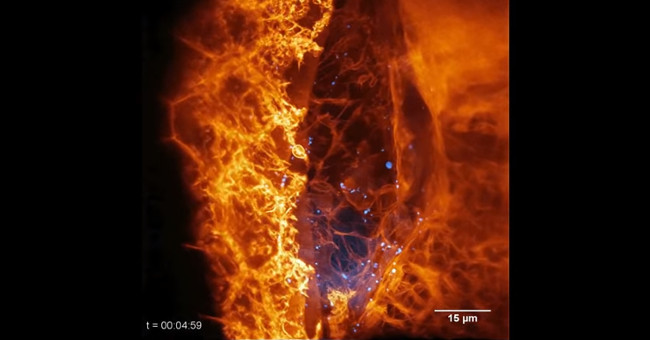
If you feel small in this vast universe, or even small in this world, look at the video below to cheer up!
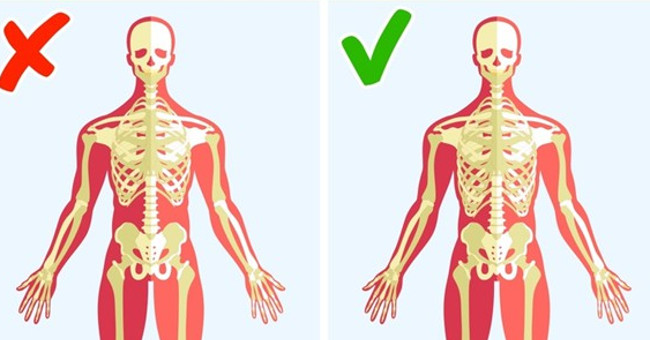
Surely you will be surprised to know that, although considered as the 'ruler of the earth' but from a scientific perspective, the human body is not really perfect.
The finding was published by the team, led by scientists at New York University School of Medicine, in Scientific Reports on March 27.

In order to confirm a dead person, doctors must rely on many combined symptoms, according to the International Business Times.
This achievement marked a big leap in the study of biological regeneration technology using micro synthetic materials.

Now people have created parts to replace. It is the result of bionic inventions (fake biology), bringing a better life to patients.
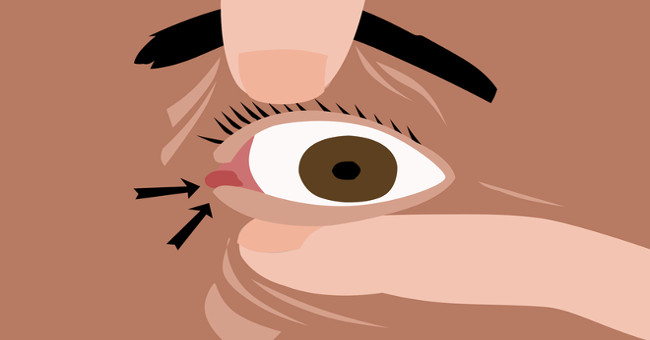
It is not wrong to say that the human body is a labyrinth that contains countless secrets and strange things that not all of us know well.

For more than a century, the medical community has always believed that hanging membranes - an important part of the digestive system - function to attach the intestines…

In order to be able to print biologically in these agencies, 3D printers must mimic their activity in nature - both in terms of their arrangement and biological needs.
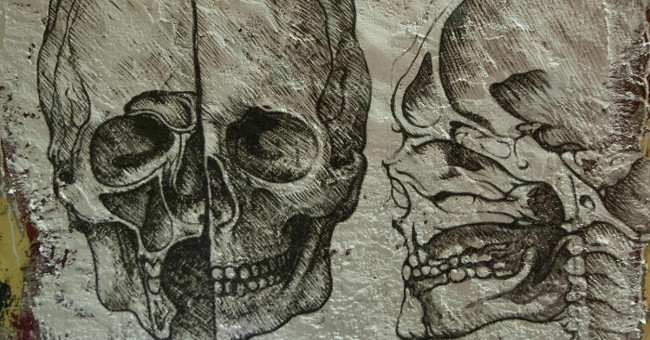
What really happens to us after death? When a person stops breathing, the heart stops circulating blood, the doctors will conclude that the person is in a state

Although it was invented thousands of years ago, until now, the technique of acupuncture and its true effects on the human body remains controversial.
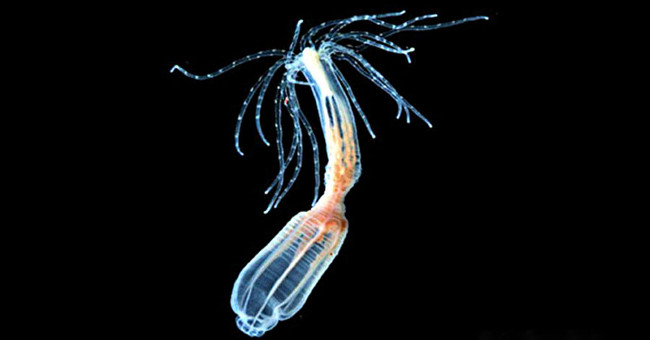
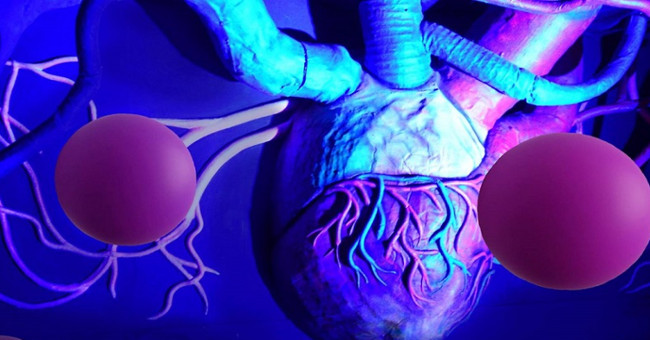
The most important part of the human body and also the most difficult to replace, is the heart. But in the future, we will recreate it.
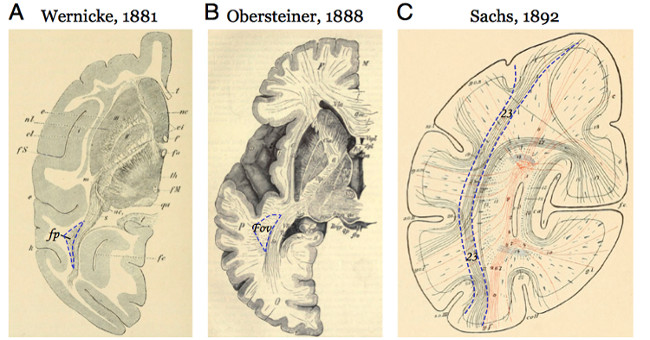
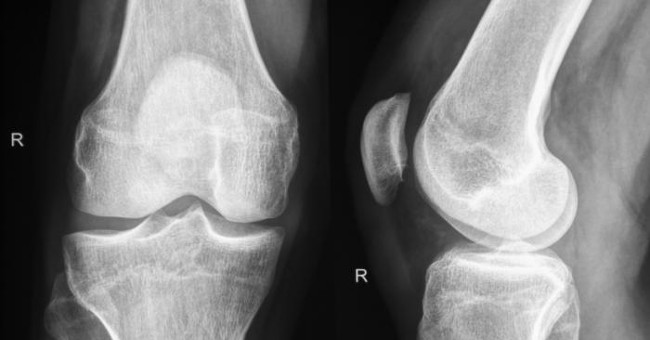
The hanging intestinal membrane, cerebral lymphatic vessels, the frontal knee ligament are among the parts that contain the most mysterious things in the human body.
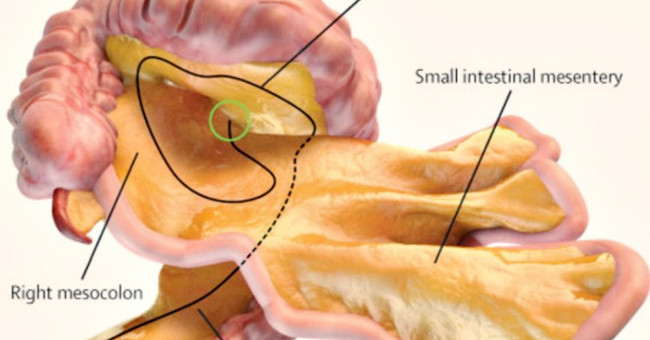
Scientists have discovered a new organ in the human digestive system. This organ is called the mesenteric membrane.